
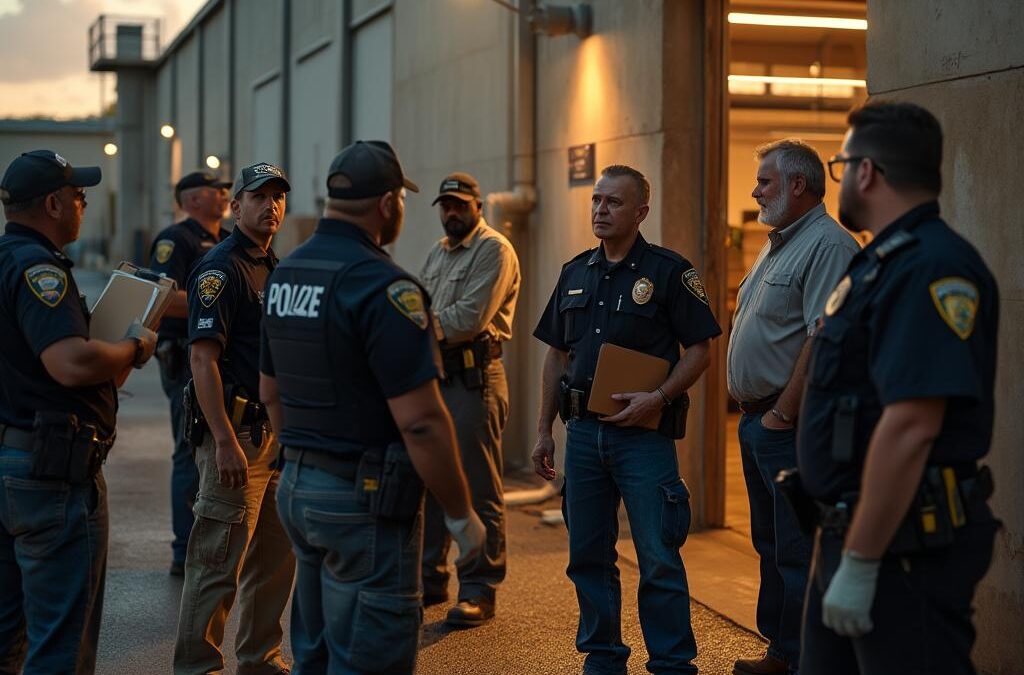
In recent weeks, the Trump administration has sent shockwaves through the business community by repeatedly changing directives related to Immigration and Customs Enforcement (ICE) workplace raids. These sudden shifts in policy have left business owners—especially those in industries reliant on immigrant labor—grappling with uncertainty and anxiety.
The confusion began in mid-June 2025, when the administration announced a temporary pause on ICE worksite raids in critical sectors such as agriculture, hospitality, and food processing. This move was reportedly aimed at addressing concerns from business leaders and administration officials, who warned that aggressive enforcement could exacerbate labor shortages in these industries. On June 12, Trump hinted at changes in immigration enforcement via social media, stating, “changes are coming.” Shortly after, ICE officials instructed regional offices to halt worksite enforcement investigations and raids in these sectors.
However, the reprieve was short-lived. By June 16, the Department of Homeland Security (DHS) reversed course, directing ICE field offices to resume enforcement activities—even in the industries that had just been granted a temporary shield. This abrupt reversal was reportedly communicated during a phone call to ICE field offices nationwide.
The situation has become even more complicated. While large-scale workplace enforcement actions now require approval from senior officials, there is no longer any guarantee that specific industries will be spared from ICE operations. This unpredictability has left businesses questioning whether they are safe from raids or could become the next target of federal immigration enforcement.
The seesawing policy has created a precarious environment for employers. Many are unsure about their liability if undocumented workers are found at their worksites or if ICE agents arrive unexpectedly. ICE’s daily arrest quotas remain in place, partly because field office leaders claim they cannot meet these targets without targeting industries that were previously exempt. This has put businesses in agriculture, hospitality, and food processing on high alert.
Underlying these shifting directives are competing priorities within the Trump administration. On one hand, there is intense political pressure to enforce immigration laws aggressively, including through large-scale deportations—a key plank of Trump’s platform. On the other hand, there are warnings from the business community and even within the administration about the unintended consequences of aggressive workplace raids on food production, supply chains, and prices.
The result is widespread confusion and uncertainty. Business owners are struggling to determine which rules are in effect and how to protect both their businesses and their workers. The unpredictable nature of the administration’s enforcement actions has left few, if any, industries feeling secure—regardless of earlier assurances or temporary pauses in raids.
In summary, the Trump administration’s rapidly changing ICE workplace raid policies have created significant confusion and risk for business owners. With directives shifting quickly and no clear or consistent protection for any sector, employers across the country are left in a state of constant uncertainty about their responsibilities and exposure to immigration enforcement.
The Trump administration’s erratic approach to ICE workplace raids has sparked intense political and economic debates, highlighting the delicate balance between immigration enforcement and economic stability. The administration faces mounting pressure from its base to enforce strict immigration laws, a cornerstone of Trump’s campaign, while also confronting warnings from the business community about the potential economic fallout.
At the heart of this dilemma are industries like agriculture, hospitality, and food processing, which are heavily reliant on immigrant labor. These sectors are already grappling with chronic labor shortages, and aggressive ICE raids could exacerbate these challenges. The temporary pause on raids in mid-June 2025 was a direct response to these concerns, as business leaders and administration officials alike recognized the risks of disrupting critical industries. However, the rapid reversal of this directive just days later underscored the administration’s struggle to reconcile its political goals with economic realities.
The impact on employers has been profound, leaving many in a state of heightened anxiety. The unpredictability of ICE actions has made it difficult for businesses to assess their liability and prepare for potential raids. With ICE’s daily arrest quotas still in place, field offices are under pressure to meet these targets, even if it means targeting industries that were previously spared. This has created a climate of fear, particularly in sectors where undocumented workers are essential to operations.
Perhaps most concerning for business owners is the lack of clear guidance from the administration. The shifting directives have left employers without a consistent framework to operate within, making it challenging to determine which rules apply and how to protect both their businesses and their workers. This uncertainty has led to widespread confusion, with few industries feeling secure despite earlier assurances or temporary reprieves from raids.
In summary, the Trump administration’s continually shifting ICE workplace raid policies have created a precarious environment for business owners, particularly in industries reliant on immigrant labor. The political pressure to enforce immigration laws aggressively must be balanced against the economic risks of disrupting critical sectors. As the situation remains fluid, employers are left to navigate an uncertain landscape, bracing for potential raids while trying to maintain stability in their operations.
Conclusion
The Trump administration’s fluctuating policies on ICE workplace raids have introduced significant uncertainty and risk for business owners nationwide. Industries reliant on immigrant labor, such as agriculture, hospitality, and food processing, are particularly vulnerable due to the unpredictable nature of enforcement actions. The administration’s struggle to balance aggressive immigration enforcement with economic stability has left employers in a precarious position, unsure of their liability and how to protect their businesses and workers. As the situation continues to evolve, businesses must remain vigilant, stay informed about the latest developments, and take proactive steps to navigate this challenging landscape.
Frequently Asked Questions (FAQ)
Why has the Trump administration been changing ICE workplace raid policies so frequently?
The administration is grappling with competing priorities: enforcing strict immigration laws to satisfy political pressure while addressing concerns from the business community about the economic impact of aggressive raids on critical industries.
Which industries are most affected by these policy changes?
Industries heavily reliant on immigrant labor, such as agriculture, hospitality, and food processing, are most impacted. These sectors are already facing labor shortages, making them particularly vulnerable to workplace raids.
What should businesses do to prepare for potential ICE raids?
Employers should ensure compliance with immigration laws, maintain accurate records, train staff on handling ICE visits, and consult with legal counsel to understand their rights and responsibilities.
Are there any guarantees that specific industries will be spared from ICE raids?
No, there are no guarantees. While certain industries were temporarily exempt, the administration has reversed course, leaving all sectors potentially vulnerable to enforcement actions.
How can business owners stay updated on the latest ICE policies?
Business owners should monitor official government communications, consult with immigration legal experts, and stay informed through reputable news sources and industry associations.