
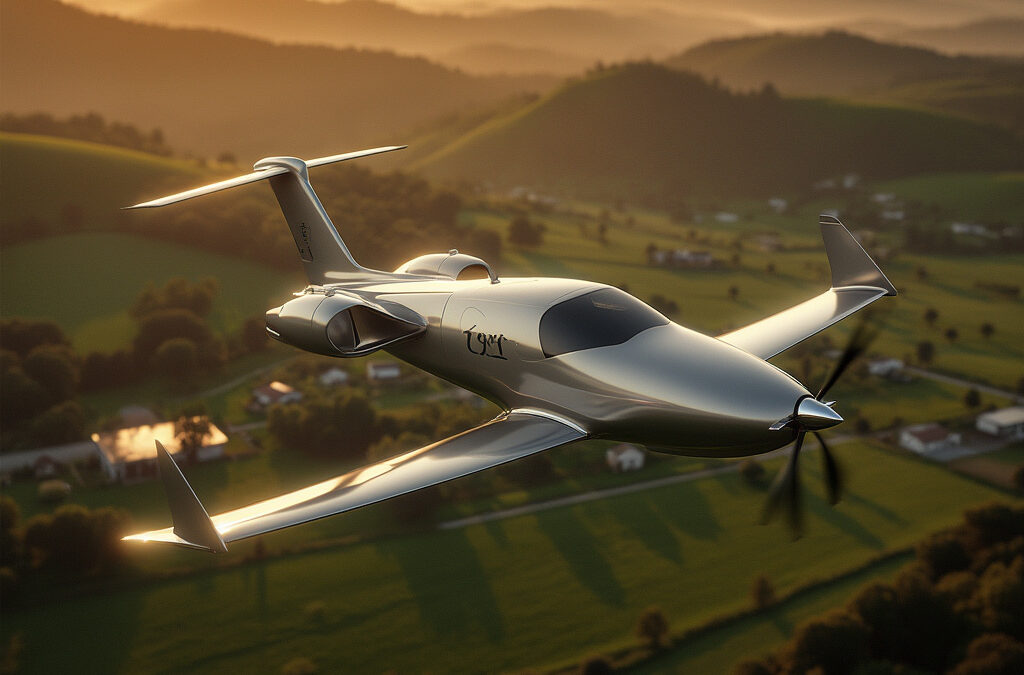
How This Ultra-Quiet Electric Aircraft Could Change Air Travel
In a breakthrough that could redefine the future of aviation, Electra, a pioneering startup, is developing an ultra-quiet electric aircraft designed to transform regional air travel. With its innovative hybrid-electric propulsion system, revolutionary blown lift technology, and whisper-quiet operations, Electra’s planes promise to make air travel cleaner, more efficient, and far less disruptive to communities.
At the heart of Electra’s design is its hybrid-electric propulsion system, which combines electric motors with a backup turbine generator. This setup allows the aircraft to operate quietly near populated areas while still maintaining the flexibility for longer regional flights. Unlike fully electric planes, which require extensive charging infrastructure, Electra’s hybrid system ensures compatibility with existing airfields and runways.
Another groundbreaking feature is Electra’s blown lift technology. By channeling airflow from the propellers over the wings, the aircraft achieves unprecedented slow-flight capabilities. This innovation enables takeoffs and landings in remarkably small spaces—about the size of a soccer field. Such versatility opens up the possibility of using thousands of underutilized airfields and even temporary landing sites, making regional air travel more accessible and convenient.
What truly sets Electra’s aircraft apart, however, is its ultra-quiet operation. The company claims its planes are 100 times quieter than traditional jet engines, with a noise level so low that people can carry on normal conversations even as the aircraft flies overhead. This level of quietness is not just a technical achievement; it’s a game-changer for communities near airports, where noise pollution from aviation has long been a source of frustration.
Electra’s progress is as impressive as its technology. The company’s two-seat EL2 prototype has been in flight testing since May 2024, demonstrating remarkable slow-flight capabilities and operational quietness. Testers have yet to determine the aircraft’s stall speed, a testament to its stability and control at low velocities. Meanwhile, Electra is already working on a larger, nine-passenger model called the EL9, with its first flight expected in 2026 and commercial service targeted for 2028.
The market response to Electra’s vision has been overwhelming. The company has secured over 2,200 pre-orders, representing a $9 billion backlog. According to Marc Allen, Electra’s CEO, the aircraft offers a compelling combination of benefits, including 100 times less noise, 70% lower operating costs, improved safety, and significantly reduced emissions compared to conventional aircraft.
Unlike “flying car” concepts that focus on urban air mobility, Electra is targeting practical regional transportation. Its aircraft are designed to operate from short, basic runways, enabling point-to-point travel without the need for major airport infrastructure. This approach could revolutionize how people and goods move over short to medium distances, offering a faster, cleaner, and more affordable alternative to traditional air travel.
With its hybrid-electric system, Electra’s aircraft also promise lower operational costs and enhanced safety. The backup turbine generator ensures that the plane can continue flying even if the battery is depleted or a fault occurs, providing an additional layer of reliability. These advantages, combined with the aircraft’s environmental benefits, position Electra as a leader in the race to decarbonize aviation.
Electra’s ultra-quiet, hybrid-electric aircraft represents a significant step forward for regional air travel. With its ability to operate from small spaces, its incredibly quiet performance, and its lower costs, the company is on track to make near-airport, on-demand, and environmentally friendly air service a reality within the next few years. As the aviation industry continues to grapple with the challenges of noise, emissions, and efficiency, Electra’s innovative approach could pave the way for a cleaner, quieter, and more accessible future for air travel.
Electra’s Vision for the Future of Regional Air Travel
Electra’s aircraft are not just a technological marvel but also a strategic shift in how regional air travel is approached. The company’s focus on practical regional transportation sets it apart from other electric aviation projects. By enabling operations from small, basic runways, Electra’s planes can utilize thousands of underutilized airfields and even temporary landing sites. This opens up the possibility of point-to-point regional travel, bypassing the need for major airport infrastructure and reducing travel time for passengers.
The environmental impact of Electra’s aircraft is equally compelling. By significantly reducing greenhouse gas emissions and noise pollution, these planes contribute to the broader goal of decarbonizing aviation. The quietness of the aircraft is particularly important for community acceptance, as it addresses one of the primary concerns associated with traditional air travel—noise disruption. This could lead to broader public support for regional air services and enable operations in areas where conventional aircraft would be deemed too disruptive.
From an operational standpoint, Electra’s hybrid-electric system offers a dual advantage of lower costs and enhanced safety. The backup turbine generator ensures that the aircraft can continue flying even if the battery is depleted or a fault occurs, providing an additional layer of reliability. This redundancy, combined with reduced maintenance requirements, makes the aircraft an attractive option for regional carriers and operators looking to minimize costs while maintaining high safety standards.
Electra’s progress in developing its aircraft has been met with significant market interest. With over 2,200 pre-orders and a backlog valued at $9 billion, the company has demonstrated the strong demand for its innovative solution. The EL9, a nine-passenger model, is expected to play a crucial role in scaling Electra’s vision for regional air travel. Scheduled to make its first flight in 2026, the EL9 is on track for certification and commercial service by 2028, marking a major milestone in the company’s ambitious roadmap.
As Electra continues to advance its technology and expand its fleet, the potential for transformative change in regional air travel grows. By addressing the key challenges of noise, emissions, and operational efficiency, Electra’s ultra-quiet, hybrid-electric aircraft are poised to redefine the future of aviation. The company’s focus on practicality, sustainability, and community-friendly design positions it as a leader in the next generation of air travel solutions.
Conclusion
Electra’s ultra-quiet, hybrid-electric aircraft represents a groundbreaking leap forward in aviation technology. By combining innovative propulsion systems, revolutionary blown lift technology, and whisper-quiet operations, Electra is poised to redefine regional air travel. With its ability to operate from small runways, significantly reduce noise and emissions, and lower operational costs, Electra’s aircraft offer a cleaner, more efficient, and community-friendly alternative to traditional air travel. As the company progresses toward certification and commercial service with models like the EL9, the future of regional air travel is set to become faster, greener, and more accessible than ever before.
Frequently Asked Questions (FAQ)
- How does Electra’s hybrid-electric propulsion system work?
- Is Electra’s aircraft really 100 times quieter than traditional planes?
- What is blown lift technology and how does it benefit the aircraft?
- How much demand has Electra’s aircraft generated so far?
- What environmental benefits does Electra’s aircraft offer?
- When is the nine-passenger EL9 model expected to enter commercial service?
- The hybrid-electric propulsion system combines electric motors with a backup turbine generator, allowing quiet operations near populated areas while maintaining flexibility for regional flights.
- Yes, Electra’s aircraft are claimed to be 100 times quieter than traditional jet engines, enabling normal conversations even during overhead flights.
- Blown lift technology channels airflow over the wings for unprecedented slow-flight capabilities, enabling takeoffs and landings in small spaces like a soccer field.
- Electra has secured over 2,200 pre-orders, representing a $9 billion backlog, demonstrating strong market demand for its innovative aircraft.
- The aircraft significantly reduces greenhouse gas emissions and noise pollution, contributing to the decarbonization of aviation and improving community acceptance.
- The EL9 model is expected to make its first flight in 2026, with commercial service targeted for 2028.