
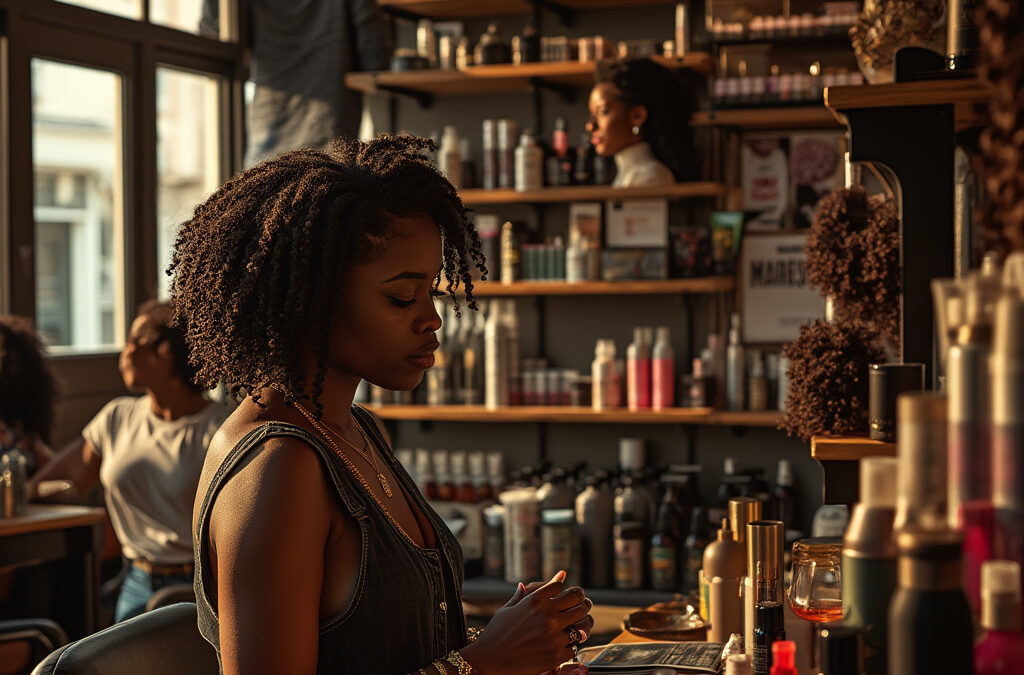
Black-owned beauty businesses are facing an unprecedented crisis as U.S. tariffs on imported goods from China, Vietnam, and Mexico take a devastating toll. These tariffs, imposed under the Trump administration, have sharply increased the cost of essential products like hair extensions, wigs, and beauty supplies—items that are cornerstone to the operations of salons and beauty supply stores.
The impact is being felt acutely across the industry. For instance, the price of a package of hair imported from Vietnam has surged from $190 to $290, while hair glue from China has risen from $8 to nearly $15 per bottle. Such dramatic price hikes are forcing salon owners into impossible choices: absorb the added costs, risking already thin profit margins, or pass them on to clients, many of whom are struggling financially.
Supply chain disruptions are compounding the problem. Slowed shipments and stricter customs checks are delaying restocking, while new documentation requirements are adding administrative burdens for small business owners. These challenges are not just financial; they are threatening the very survival of businesses that have long been cultural and economic pillars in their communities.
For Black salon owners, the stakes are personal. Dajiah Blackshear-Calloway, a salon owner in Georgia, explains that the higher costs are affecting every level of her business. She is forced to decide between absorbing the added expense or raising prices for her clients—a decision that could lead to a decline in repeat business as clients seek cheaper alternatives or cut back on services altogether. Some stylists have even begun asking clients to bring their own hair to offset costs, a shift that alters the traditional service model.
Industry leaders emphasize that the challenges extend beyond salons. The cost of maintaining natural hairstyles has also risen, as prices for moisturizers, maintenance products, and even thread for wig-making have climbed due to tariffs and supply chain issues. The unpredictability of tariff rates further destabilizes operations, making it difficult for businesses to forecast expenses or set stable prices.
These businesses are more than just commercial ventures; they are cultural cornerstones. They provide a sense of community, identity, and economic opportunity for Black women. The financial pressures caused by tariffs threaten these spaces, which have long served as safe havens and sources of empowerment.
The broader economic context only intensifies the struggle. Black women have faced disproportionate job losses during the pandemic, and as hair maintenance becomes more expensive, stylists are seeing a decline in clientele. This creates a vicious cycle that weakens both individual businesses and the fabric of the community.
The struggles of the beauty sector reflect a larger pattern affecting Black-owned businesses that rely on imported goods. From restaurants to retail and transportation, rising costs and narrow margins are forcing tough decisions: reducing staff, scaling back services, or even closing shop.
Advocates are urging consumers to support Black-owned beauty brands during this volatile period and calling for fairer economic policies that consider the unique challenges faced by these businesses. The stakes are high: these tariffs are not just about goods, but about livelihoods, cultural identity, and community resilience.
In sum, tariffs intended to protect certain U.S. industries are having unintended and severe consequences for Black-owned beauty businesses, threatening their survival and the cultural ecosystems they sustain. The situation underscores the need for inclusive policymaking and community support to help these vital businesses weather the storm.
The financial strain on Black-owned beauty businesses is further compounded by the complex web of tariffs imposed on goods from multiple countries. In addition to the 25% tariff on goods from Mexico and Canada, and the 10% tariff on Chinese imports, Vietnamese goods are now subject to a 20% tariff, with an additional “transshipping” tariff of up to 40% in certain cases. These escalating tariffs have created a perfect storm of rising costs and operational challenges, making it increasingly difficult for small business owners to maintain profitability.
One of the most significant challenges arising from these tariffs is the disruption of supply chains. Business owners are reporting slower shipment times and stricter customs checks, which require more detailed documentation for product clearance. This not only delays restocking but also adds administrative burdens for small business owners who may not have the resources or expertise to navigate these complexities. The result is a vicious cycle of delayed shipments, increased costs, and reduced access to the products that are essential to their operations.
The impact of these tariffs extends beyond the financial realm, affecting the cultural and community aspects of Black-owned beauty businesses. These businesses have long served as more than just commercial ventures; they are cultural cornerstones that provide a sense of community, identity, and economic opportunity for Black women. The financial pressures caused by the tariffs threaten these spaces, which have historically served as safe havens and sources of empowerment for Black women.
The broader economic context only intensifies the struggle. Black women have faced disproportionate job losses, and as hair maintenance becomes more expensive, stylists are seeing a decline in clientele. This creates a vicious cycle that weakens both individual businesses and the fabric of the community. The ripple effects of these policies are being felt deeply within a community that has long relied on affordable, imported goods to meet the specific needs of Black clientele.
The struggles of the beauty sector reflect a larger pattern affecting Black-owned businesses that depend on imported goods, from restaurants to retail and transportation. Across these industries, rising costs and narrow margins force painful choices: reducing staff, scaling back services, or even closing shop. The tariffs have created a perfect storm of challenges that are threatening the very survival of these businesses.
Advocates are urging consumers to support Black-owned beauty brands during this volatile period and calling for fairer economic policies that consider the unique challenges faced by these businesses. The stakes are high: these tariffs are not just about goods, but about livelihoods, cultural identity, and community resilience. The situation underscores the need for inclusive policymaking and community support to help these vital businesses weather the storm.
Conclusion
The impact of U.S. tariffs on Black-owned beauty businesses underscores a critical challenge that extends beyond economics into cultural and community realms. These businesses, integral to their communities, face significant threats from rising costs and supply chain disruptions. The tariffs, while intended to protect U.S. industries, have unintended consequences that jeopardize the livelihoods and cultural heritage these businesses sustain. The situation calls for inclusive policymaking and robust community support to ensure their survival and continued empowerment of Black women.
Frequently Asked Questions
- What tariffs are affecting Black-owned beauty businesses?
- Current tariffs include 25% on goods from Mexico and Canada, 10% on Chinese imports, 20% on Vietnamese goods, and up to 40% for transshipping cases.
- How have tariffs impacted specific beauty products?
- Prices for hair extensions, wigs, and beauty supplies have surged. For example, hair from Vietnam costs 52% more, and hair glue from China is up by 87.5%.
- What supply chain issues are businesses facing?
- Slower shipments, stricter customs checks, and new documentation requirements are causing delays and administrative burdens.
- How are these tariffs affecting the cultural community?
- These businesses are cultural cornerstones, providing community, identity, and economic opportunities. Tariffs threaten these safe spaces and empowerment sources for Black women.
- What broader economic impacts are there?
- Black women have faced higher job losses, and rising costs are reducing clientele, creating a cycle that weakens businesses and communities.
- How can consumers support Black-owned beauty brands?
- Advocates urge consumers to actively support these brands and call for fairer policies that consider the unique challenges they face.