AI Chatbots Are About to Get a Huge Boost—From Libraries
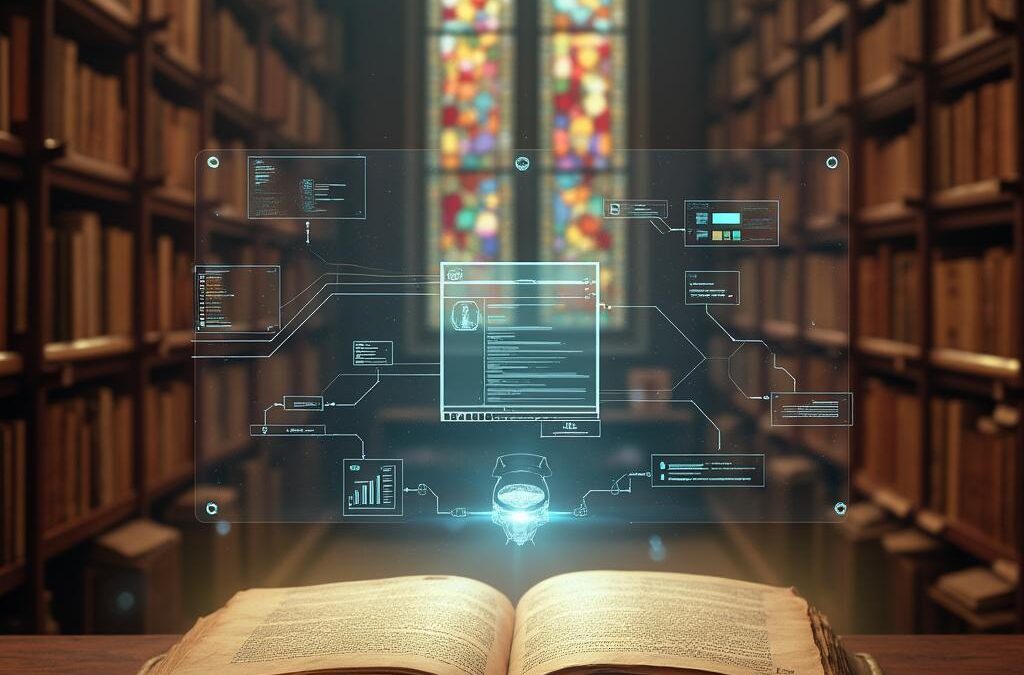
Artificial Intelligence (AI) chatbots are on the brink of a revolutionary transformation, thanks to an unprecedented collaboration between major technology firms and the world’s largest libraries. This innovative partnership aims to enhance the intelligence and reliability of AI systems by integrating vast, authoritative data from libraries.
Why Libraries Hold the Key to Smarter AI
Traditionally, AI chatbots have been trained using expansive but often unreliable internet datasets. These datasets can contain outdated information, inaccuracies, or even misinformation. Libraries, as trusted guardians of verified knowledge, offer a solution to these issues.
By collaborating with libraries, AI companies can access meticulously curated resources, ensuring that chatbots provide more accurate and trustworthy responses. This shift from indiscriminate data to authoritative sources marks a significant leap forward in AI development.
A New Era of Collaboration
A groundbreaking initiative involves the Internet Archive, a nonprofit digital library, and a global coalition of libraries. Together, they aim to provide millions of digitized books, scholarly articles, and other reliable resources for training advanced chatbots.
The Internet Archive alone houses over 41 million items, including books, academic papers, and other content. The initiative also involves organizations like Project Gutenberg and public libraries in Boston and San Francisco.
A key goal of this collaboration is to enable AI chatbots to provide clear citations and sourcing for their answers. This addresses a major criticism of current AI tools, which often lack transparency in their responses.
How the Project Will Work
Under strict agreements, AI companies will gain access to the libraries’ archives for training chatbots. These agreements ensure that AI outputs are not only accurate but also properly cited, directing users back to the original sources of the information.
Libraries are also taking steps to protect sensitive or proprietary collections, ensuring that the rights of publishers and authors are respected. This balance between accessibility and protection is crucial for the project’s success.
The Benefits of Library-Enhanced AI
This collaboration promises several advantages for AI chatbots:
- Improved Accuracy: Responses will be grounded in established, published resources, reducing the likelihood of errors.
- Greater Transparency: Users will be able to trace the origin of the information, enhancing trust in the AI’s responses.
- Trust and Authority: The involvement of libraries, known for their stewardship of knowledge, will lend credibility to AI outputs.
- Addressing Misinformation: By drawing from vetted sources, chatbots will be less prone to spreading falsehoods or “hallucinations.”
Navigating Challenges and Concerns
While the initiative holds great promise, it also raises important questions:
- Copyright Issues: Not all library holdings are in the public domain or have clear permissions for AI training, posing potential legal challenges.
- Commercial Use Concerns: Some publishers and authors are wary of how their works might be used by AI firms for commercial gain.
Partners are working diligently to balance these rights with the broader public benefit of making knowledge more accessible.
A Shared Vision for the Future
This partnership represents a significant turning point for both libraries and AI companies. For libraries, it offers an opportunity to extend their mission of democratizing knowledge into the digital age. For AI developers, it provides a pathway to create more intelligent, trustworthy systems that can serve as effective research tools, homework helpers, and lifelong learning assistants.
In essence, the integration of curated library content into AI chatbots promises a future where digital assistants are not only smarter but also more transparent and reliable. This collaboration marks a pivotal moment in the evolution of AI, emphasizing the importance of responsible development and information literacy in our increasingly digital world.
The Collaboration in Action
The initiative is being spearheaded by the Internet Archive, a nonprofit digital library that has already digitized over 41 million books, academic articles, and other forms of content. This vast repository of knowledge will serve as the foundation for training the next generation of AI chatbots.
Alongside the Internet Archive, the collaboration includes organizations like Project Gutenberg, which specializes in digitizing classic literature, and public libraries in major cities such as Boston and San Francisco. These partners bring a wealth of diverse and authoritative content to the table, ensuring that the AI systems benefit from a broad range of perspectives and knowledge domains.
How the Data Will Be Used
The partnership will allow AI companies to access and utilize the digitized content under strict agreements. These agreements are designed to ensure that the use of the data is both ethical and legal, with a strong emphasis on protecting the rights of authors and publishers.
One of the key features of this initiative is the requirement for AI chatbots to provide clear citations and sourcing for the information they provide. This means that users will be able to trace the origin of the answers generated by the chatbots, adding a layer of transparency and accountability that has often been lacking in AI interactions.
Protecting Sensitive Collections
While the goal of the initiative is to make knowledge more accessible, the libraries involved are also taking steps to protect sensitive or proprietary collections. This includes ensuring that materials which are not in the public domain or do not have clear permissions for AI training are not misused.
By balancing the need for accessibility with the need to protect intellectual property, the initiative aims to create a model for responsible AI development that can be replicated in other contexts.
Addressing Misinformation
One of the most significant benefits of this initiative is its potential to address the issue of misinformation. By training AI chatbots on carefully curated, vetted sources, the likelihood of the chatbots generating false or misleading information is significantly reduced.
This is particularly important in an era where misinformation is a major concern, and where the ability of AI systems to “hallucinate” or generate false information has been a subject of criticism. By grounding the training data in authoritative sources, the initiative aims to create chatbots that are not only more accurate but also more trustworthy.
Navigating the Challenges
Despite the promise of this initiative, there are challenges that need to be navigated. One of the most significant is the issue of copyright. Not all of the materials held by libraries are in the public domain or have clear permissions for use in AI training. This raises complex legal questions that must be addressed in order to move forward.
Another concern is the potential for commercial exploitation. Some publishers and authors are wary of how their works might be used by AI firms, particularly if the AI systems are being developed for commercial purposes. The initiative must find a way to balance the commercial interests of AI companies with the rights of content creators.
These challenges are not insurmountable, but they do require careful consideration and negotiation. The partners involved in the initiative are committed to finding solutions that respect the rights of all parties while also advancing the public good.
A Vision for the Future
This initiative represents a significant step forward in the development of AI chatbots. By leveraging the vast, authoritative resources of the world’s libraries, AI companies can create systems that are not only more intelligent and accurate but also more transparent and trustworthy.
For libraries, this collaboration offers an opportunity to fulfill their mission of democratizing knowledge in the digital age. By making their collections available for AI training, libraries can play a crucial role in shaping the future of information access and education.
At the same time, this initiative sets a precedent for how AI development can be done responsibly. By prioritizing accuracy, transparency, and ethical considerations, it offers a model for other AI initiatives to follow.
As this collaboration continues to evolve, it has the potential to redefine the relationship between AI and knowledge, creating a future where AI systems are not just powerful tools but also responsible stewards of information.
Conclusion
The integration of library resources into AI chatbot development represents a transformative leap in the evolution of artificial intelligence. By leveraging the vast, meticulously curated collections of libraries, AI systems can achieve unprecedented levels of accuracy, transparency, and trustworthiness. This collaboration not only addresses critical issues like misinformation and intellectual property rights but also paves the way for a future where AI serves as a responsible steward of knowledge.
Libraries, as guardians of verified information, are uniquely positioned to enhance AI systems, ensuring that digital assistants are grounded in reliable data. This partnership underscores the importance of ethical AI development and highlights the potential for AI to become a powerful tool for education, research, and lifelong learning.
As this initiative progresses, it will redefine the relationship between technology and knowledge, creating a future where AI is not only intelligent but also accountable and transparent.
FAQ