
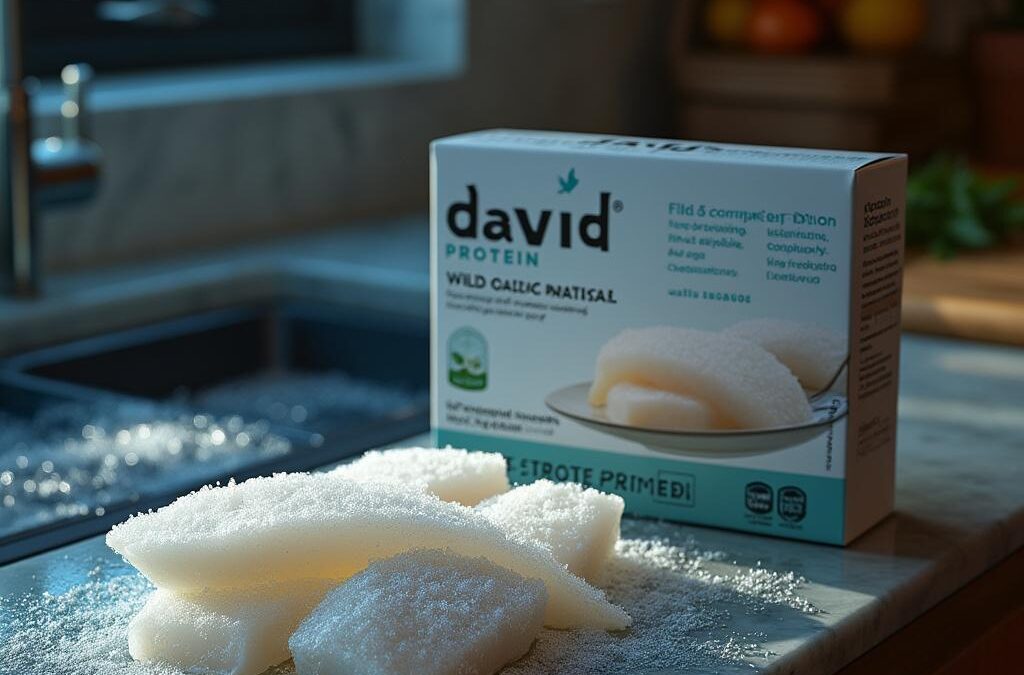
In recent months, the internet has been captivated by an unlikely phenomenon: the rise of frozen cod. This humble fish, once a staple in seafood sections, has emerged as a cultural and culinary sensation, sparking debates, driving trends, and reshaping the way consumers think about protein. At the heart of this movement is a convergence of shifting consumer preferences, strategic brand innovation, and broader market dynamics.
Frozen cod’s meteoric rise is no accident. It reflects a perfect storm of health-conscious eating, environmental awareness, and the influence of younger generations. Brands like David Protein, known for its high-protein snack bars, have capitalized on this trend by introducing wild-caught Pacific cod fillets as a cleaner, more sustainable protein option. These fillets boast an impressive 23 grams of protein per 6-ounce serving, slightly outpacing even the company’s signature bars.
David Protein’s foray into frozen cod is more than just a product launch—it’s a strategic response to consumer demand for minimally processed, whole-food options. Peter Rahal, the company’s CEO and founder of Rxbar, has emphasized that customer feedback played a pivotal role in this pivot. “We want to spark a conversation about what clean protein really means,” Rahal explained. By targeting health-conscious consumers, particularly Gen Z, the brand is leveraging the intersection of two powerful trends: the quest for high-protein diets and a growing aversion to heavily processed foods.
But frozen cod’s appeal extends far beyond a single brand. Its rise is a symptom of a larger shift in the way people eat, shop, and think about food. As consumers increasingly prioritize convenience, sustainability, and nutritional value, frozen cod has emerged as a versatile and practical solution. Its extended shelf life, consistent quality, and year-round availability make it a favorite among both home cooks and institutional buyers.
Behind the scenes, the cod market is booming. Valued at $11.4 billion in 2024, it is projected to grow to $16.5 billion by 2033. This expansion is driven not only by the popularity of frozen options but also by the nutritional appeal of cod itself. High in protein and omega-3 fatty acids, it has become a staple for health-conscious consumers. Meanwhile, a growing emphasis on sustainability has led premium sellers to highlight responsibly sourced, wild-caught origins—a move that resonates deeply with eco-aware younger audiences.
Yet, as demand soars, the supply chain is under strain. Global cod harvests have dropped by 33% over the past decade, signaling a challenging outlook for the industry. Prices have risen sharply, with once-frozen cod now nearly as expensive as fresh fillets. These realities underscore the delicate balance between supply and demand in the seafood market—and the growing competition for high-quality frozen cod.
For now, frozen cod’s viral popularity shows no signs of slowing. Driven by health trends, social media influence, and the creativity of brands like David Protein, it has become more than just a food product—it’s a cultural phenomenon. As the market continues to evolve, one thing is clear: frozen cod is here to stay, reshaping the way we think about protein, convenience, and sustainability in the digital age.
The rise of frozen cod is further fueled by its unique combination of convenience, quality, and versatility. One of the primary drivers behind its popularity is the extended shelf life offered by freezing, which preserves the fish’s freshness and nutritional value. This makes it a practical choice for both consumers and retailers, as it simplifies transportation and storage. Additionally, advancements in freezing technology have ensured that frozen cod retains its flavor and texture, appealing to quality-conscious consumers who might otherwise opt for fresh options.
Cooking versatility is another factor contributing to frozen cod’s appeal. Whether baked, grilled, or incorporated into stews and curries, frozen cod adapts seamlessly to diverse recipes and cuisines. This adaptability has made it a staple in kitchens worldwide, catering to a wide range of culinary preferences. Furthermore, the year-round availability of frozen cod addresses the supply limitations and price volatility associated with fresh fish, providing a reliable option for consumers and institutions alike.
The market for frozen cod is thriving, with institutional buyers representing the largest segment. Restaurants, food service providers, hotels, and schools are increasingly turning to frozen cod due to its consistency and cost-effectiveness. This demand is complemented by the growing awareness of cod’s nutritional benefits, particularly its high protein and omega-3 fatty acid content, which resonates with health-conscious consumers.
However, the supply chain for frozen cod is facing significant challenges. Global cod harvests have declined by 33% over the past decade, raising concerns about long-term supply sustainability. This decline has led to a tightening of frozen cod supplies, even as demand continues to rise. In 2023, U.S. imports of frozen cod decreased compared to the previous year, further straining the market. Additionally, the price gap between once-frozen and twice-frozen cod fillets reached a five-year high, with once-frozen cod now nearly as expensive as fresh fillets. These pricing realities reflect both supply constraints and the strong demand for high-quality frozen cod.
Cultural and consumer influences, particularly among younger generations, are also playing a significant role in the rise of frozen cod. Gen Z’s preference for high-protein diets and their aversion to processed foods have driven brands to innovate and invest in whole-food protein sources like frozen cod. Social media platforms, especially TikTok, have amplified these trends, making high-protein and convenient foods like frozen cod fashionable and desirable. The emphasis on sustainability and responsibly sourced seafood has further resonated with younger, eco-aware consumers, creating a cultural shift in how protein is perceived and consumed.
In conclusion, the rapid rise of frozen cod is a multifaceted phenomenon driven by health trends, technological advancements, supply chain dynamics, and cultural shifts. As the market continues to evolve, the demand for high-quality, sustainably sourced frozen cod is expected to grow, solidifying its place as a key player in the protein market.
Conclusion
The rise of frozen cod represents a significant shift in consumer preferences, blending health-consciousness, environmental awareness, and culinary versatility. As the market continues to evolve, frozen cod is poised to remain a key player in the protein landscape, driven by its convenience, nutritional value, and sustainability. While supply chain challenges persist, the cultural and economic impact of frozen cod underscores its enduring relevance in modern cuisine.
Frequently Asked Questions
- Why is frozen cod becoming so popular?
- Frozen cod’s popularity stems from its high protein content, omega-3 fatty acids, and convenience. It aligns with health trends and offers a sustainable, versatile option for consumers.
- Is frozen cod as nutritious as fresh cod?
- Yes, frozen cod retains its nutritional value due to advanced freezing technology, preserving protein and omega-3 content effectively.
- What’s driving the growth of the frozen cod market?
- The market is growing due to increasing health awareness, a preference for sustainable options, and the influence of younger generations seeking high-protein, minimally processed foods.
- Why are frozen cod prices rising?
- Prices are rising due to declining global cod harvests and increased demand, leading to supply constraints and higher costs for high-quality frozen cod.
- How does frozen cod contribute to sustainability?
- Frozen cod, when responsibly sourced, supports sustainable fishing practices, appealing to eco-conscious consumers and helping maintain fish populations.
- What role does Gen Z play in the rise of frozen cod?
- Gen Z’s preference for high-protein, sustainable, and convenient foods, amplified by social media, has significantly driven the popularity of frozen cod.