
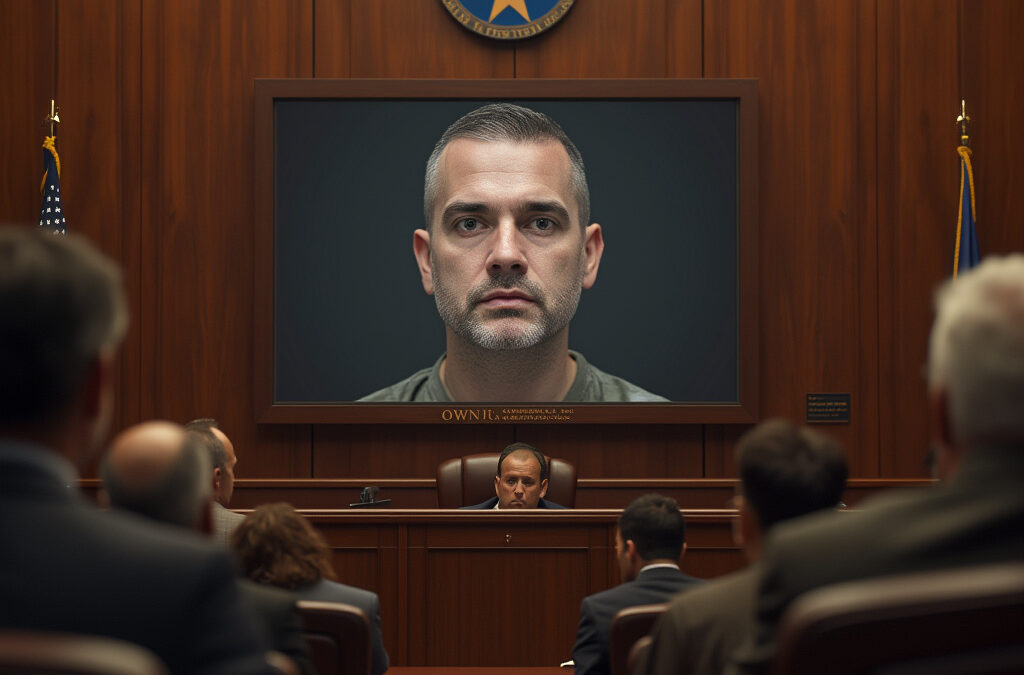
How an AI-Generated Video Gave a Victim a Voice at His Killer’s Sentencing
In a historic moment for both the justice system and artificial intelligence, an Arizona court allowed a murder victim to address his killer through an AI-generated video during the sentencing hearing. This innovative use of technology provided closure for the victim’s family and raised significant questions about AI’s role in criminal justice.
The Case of Christopher Pelkey
Christopher Pelkey, a U.S. Army veteran, was tragically killed in a road rage incident in Arizona in 2021. The perpetrator, Gabriel Paul Horicitus, was convicted and sentenced to 10 and a half years in prison. At his sentencing on May 1, 2025, Pelkey’s family made history by using AI to bring Pelkey’s presence into the courtroom.
Creating the AI Video
Pelkey’s sister, Stacy Wales, felt unable to fully express her grief and her brother’s character on her own. She enlisted her husband’s technical skills to create an AI-generated video. Using photos and voice samples, they reconstructed Pelkey’s likeness and voice, with Wales writing the statement the AI would deliver.
A Powerful Statement
In the video, the AI-generated Pelkey addressed Horicitus directly, expressing forgiveness and his belief in God. He concluded with a personal sign-off, emphasizing his love for his family and his faith. This poignant statement resonated deeply with everyone in the courtroom, capturing Pelkey’s essence and spirit.
A First in Arizona Courts
This was the first time AI technology was used in an Arizona court for a victim impact statement. The event marked a landmark in the intersection of AI and criminal justice, opening new possibilities for victims to be heard even after their passing.
Ethical Considerations
While the use of AI in this context is groundbreaking, it also raises ethical questions. Stacy Wales acknowledged the potential for misuse but emphasized the positive impact when guided by respect and morality, allowing her brother’s voice to be heard one last time.
The operation timed out
Conclusion
The use of an AI-generated video in Christopher Pelkey’s case represents a profound intersection of technology and justice. By allowing a murder victim to address his killer in court, this innovation provided closure for the family and set a legal precedent. While ethical concerns persist, the positive impact of giving a voice to the voiceless cannot be overlooked. As AI continues to evolve, this case serves as a reminder of its potential to shape both emotional and legal landscapes in unprecedented ways.
Frequently Asked Questions
How was the AI-generated video of Christopher Pelkey created?
The video was created using photos and voice samples of Pelkey. His sister, Stacy Wales, wrote the statement, which was then delivered by the AI-generated likeness of Pelkey.
Was this the first time AI was used in an Arizona court for a victim impact statement?
Yes, this was the first instance in Arizona where AI technology was used to deliver a victim impact statement during a sentencing hearing.
What was the significance of the AI video in the sentencing hearing?
The AI video allowed Christopher Pelkey to address his killer directly, providing emotional closure for his family and marking a historic use of AI in criminal justice.
What ethical considerations were raised by the use of AI in this case?
While the AI video provided a powerful way to honor Pelkey, it also raised concerns about the potential misuse of such technology and the ethical implications of recreating a deceased person’s likeness and voice.
How does this case impact the future of AI in criminal justice?
This case opens the door to new possibilities for AI in criminal justice, potentially allowing victims to be heard even after their death, though it also sparks important discussions about ethical boundaries and legal standards.