
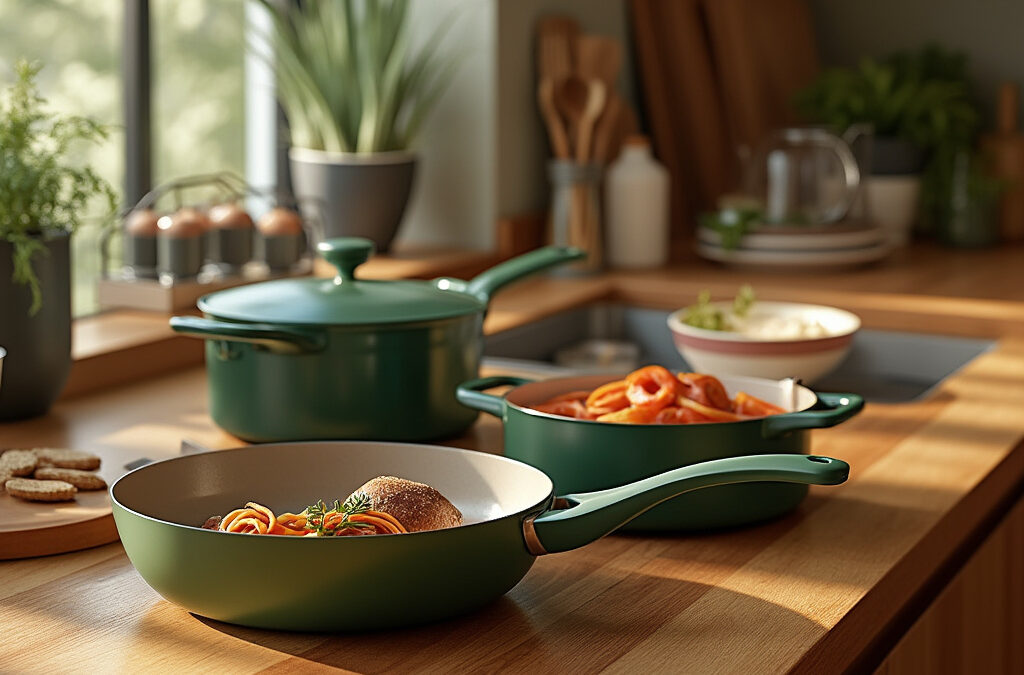
How This Startup Supercharged Its Growth by Adding 1 New Product Category
In the fast-paced world of startups, few stories are as compelling as that of Caraway, a direct-to-consumer cookware brand that has redefined resilience and growth in a competitive market. Founded in 2019, Caraway quickly became a household name, celebrated for its modern, non-toxic cookware that combines sleek designs with vibrant colors.
The company’s early success was nothing short of remarkable. With inventory often selling out in minutes, Caraway generated an impressive $40 million in revenue in its first year alone. This rapid growth was fueled by a clear vision: to offer high-quality, visually appealing cookware that resonated with a younger, design-conscious audience.
However, as many startups discover, relying on a single product category can lead to stagnation. Despite its initial momentum, Caraway faced a critical challenge: sustaining growth beyond its first wave of success. Recognizing this, Jordan Nathan, Caraway’s CEO and founder, set his sights on expansion—not by adding multiple product lines, but by introducing a single, carefully chosen new category.
The turning point came in 2022 when Caraway launched its ceramic bakeware line. This move was far from random. Nathan and his team had listened intently to customer feedback, and bakeware was consistently at the top of the wish list. The decision to act on this insight proved to be a game-changer.
The results were staggering. Caraway’s revenue doubled, and the company saw a significant surge in returning customers. A striking 30% of bakeware customers had previously purchased Caraway cookware, underscoring the brand’s strong loyalty and customer retention. This expansion not only boosted sales but also opened new avenues for marketing and word-of-mouth growth.
By focusing on thoughtful, strategic launches, Caraway managed to maintain its premium brand feel while keeping operations streamlined. The company’s disciplined approach to growth serves as a powerful lesson for startups: sometimes, it’s not about adding more products, but about adding the right product.
Expanding into the bakeware category not only boosted Caraway’s revenue but also unlocked fresh marketing opportunities. The company cleverly harnessed the power of social media and word-of-mouth, which had been instrumental in their initial success. By introducing a complementary product line, Caraway was able to reignite excitement among existing customers while attracting new ones. This strategic move allowed the brand to tap into the broader baking and home cooking trends, which were gaining momentum, particularly among younger audiences.
Caraway’s approach to product launches was equally strategic. The company focused on releasing new products and colors in a way that created a sense of excitement and urgency. This disciplined strategy helped maintain the brand’s premium positioning and ensured operational efficiency, avoiding the pitfalls of overextending into unrelated product categories. By staying focused on what their customers wanted, Caraway preserved its brand integrity while expanding its offerings.
Looking ahead, Caraway remains committed to its customer-centric approach. The company plans to continue listening to its audience and expanding its product catalog in a deliberate, methodical manner. This strategy not only deepens customer relationships but also opens up new avenues for growth. Caraway’s journey serves as a blueprint for startups, demonstrating that thoughtful, incremental expansion can yield significant results without sacrificing brand identity.
Conclusion
Caraway’s journey from a single-product startup to a multi-category brand offers a compelling case study for growth through strategic expansion. By listening to customer feedback and introducing a complementary product line, the company not only doubled its revenue but also strengthened its brand loyalty. The success of Caraway’s ceramic bakeware line underscores the importance of thoughtful, customer-centric growth strategies. Rather than overextending into unrelated categories, Caraway maintained its premium brand positioning while expanding its reach. This approach serves as a powerful blueprint for startups looking to scale sustainably without compromising their core identity.
FAQ
How did Caraway achieve such rapid growth?
Caraway achieved rapid growth by focusing on a single, high-quality product category initially and then expanding strategically into a complementary category—ceramic bakeware. This move was driven by customer feedback and helped double the company’s revenue.
What impact did adding the bakeware line have on Caraway’s business?
The addition of the ceramic bakeware line doubled Caraway’s revenue and increased customer retention, with 30% of bakeware customers being returning buyers. It also opened new marketing opportunities and reinforced the brand’s loyalty.
How did Caraway leverage marketing after the bakeware launch?
Caraway harnessed social media and word-of-mouth marketing, which were key to its initial success. The bakeware launch allowed the brand to tap into baking and home cooking trends, attracting both existing and new customers.
What lesson can other startups learn from Caraway’s growth strategy?
Startups can learn the importance of customer-centric expansion. By listening to feedback and adding the right product category, businesses can grow sustainably without overextending or losing brand focus.
What’s next for Caraway?
Caraway plans to continue its customer-centric approach, expanding its product catalog in a deliberate and methodical manner. The brand aims to deepen customer relationships while exploring new growth opportunities.