
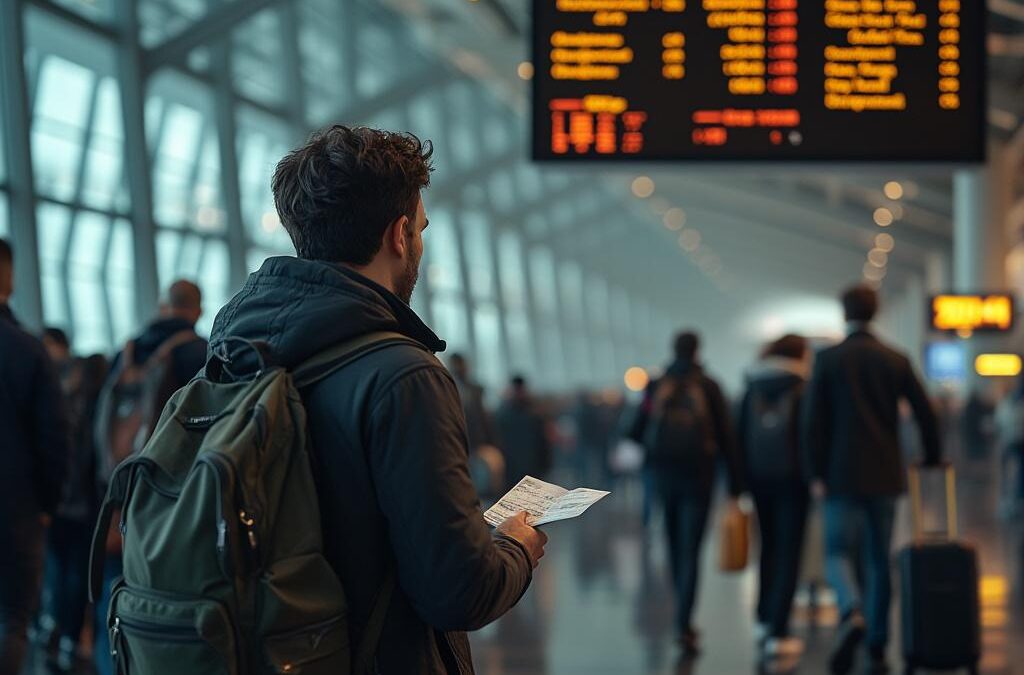
If you’re planning to book a flight soon, you might notice something unexpected: your ticket could cost more than you anticipated, even as base fares appear lower than in previous years. This trend has left many travelers scratching their heads.
While U.S. airfares have dropped by 7.9% compared to April 2024—and a full 13.2% over the past decade—several underlying factors are driving up the final price of your ticket. These hidden costs are reshaping how airlines price their services.
One major culprit? The rise of “unbundling” strategies. Airlines are now advertising lower base fares, often for basic economy seats, but tacking on extra charges for services that were once included, like checked bags, seat selection, and early boarding. These fees don’t show up in official airfare data, but they can significantly inflate your total cost.
For example, Southwest Airlines made headlines in March 2025 by ending its popular policy of allowing two free checked bags for flights booked after May 28, 2025. This move follows a broader industry trend of nickel-and-diming passengers for services that were once standard.
But that’s not all. Rising fuel costs, new aviation regulations, and higher airport fees are also putting pressure on airlines—and those expenses are being passed on to consumers. Whether you’re flying domestically or internationally, these factors could make your next flight more expensive than you expect.
So, what does this mean for travelers? While base fares might look tempting, it’s essential to factor in the extras when budgeting for your next trip. The “weird reason” your ticket might cost more? It’s not just about the fare—it’s about the fine print.
Rising fuel costs are a significant factor contributing to higher airline expenses. As one of the largest operational expenditures for airlines, fluctuations in fuel prices can substantially impact ticket costs. For instance, a surge in global fuel prices can lead airlines to increase fares or introduce additional fees to maintain profit margins. This direct correlation between fuel costs and ticket prices means passengers often bear the brunt of these increases.
New aviation regulations implemented in 2025 have also played a role in the upward pressure on ticket prices. These regulations include increased air traffic control charges and the introduction of environmental taxes. Air traffic control fees are levied on airlines for the services provided to ensure safe takeoffs, landings, and en-route navigation. These fees are typically passed on to consumers through higher ticket prices. Additionally, environmental taxes, aimed at reducing the aviation industry’s carbon footprint, add another layer of expense that airlines often transfer to passengers.
Airport fees have also increased, particularly at major international hubs. These fees, which cover the costs of maintaining and improving airport infrastructure, are usually included in the ticket price. As airports invest in expansions and modernization projects, these costs are increasingly passed on to travelers. This is especially noticeable at busy international airports where such fees can be significantly higher than at smaller, regional airports.
Southwest Airlines’ decision to end its two free checked bags policy for flights booked after May 28, 2025, is a prime example of the industry’s shift towards unbundling services. This move aligns with a broader trend where airlines are separating amenities from base fares to create additional revenue streams. By charging for checked bags, seat selection, and early boarding, airlines can attract price-sensitive customers with lower base fares while generating income through these add-ons.
For travelers, this means that while the initial ticket price might seem lower, the total cost can add up once all the extras are included. It’s crucial for passengers to factor in these additional fees when comparing prices across airlines. The “weird reason” your ticket might end up costing more isn’t just about the base fare—it’s about understanding and accounting for all the extra charges hidden in the fine print.
**Conclusion**
In summary, while base airline fares may appear lower, the overall cost of flying has increased due to additional fees and charges. Factors such as unbundling services, rising fuel costs, new aviation regulations, and higher airport fees all contribute to the higher total cost of tickets. Travelers are advised to consider all extra fees when comparing prices to avoid surprises. The key takeaway is to look beyond the base fare to understand the true cost of your flight.
**FAQ**
**Why is my flight ticket more expensive than the base fare?**
Flights often cost more due to extra fees for services like checked bags, seat selection, and early boarding, which are now charged separately from the base fare.
**What is unbundling in airline pricing?**
Unbundling is when airlines separate amenities from the base fare, charging extra for services that were once included, such as checked bags and seat selection.
**How can I avoid extra fees on flights?**
To minimize extra fees, compare total costs across airlines, pack lightly to avoid baggage fees, and consider booking higher fare classes that include more amenities.
**Are all airlines increasing fees?**
Yes, most airlines are adopting unbundling strategies and increasing fees due to rising costs. Always check the total price, including all fees, when comparing flights.
**Why are airport fees increasing?**
Airport fees are rising due to infrastructure improvements and expansions, which are often passed on to travelers in ticket prices.
**How do fuel prices affect ticket costs?**
Rising fuel prices directly impact ticket costs as airlines pass on these expenses to maintain profit margins, leading to higher fares or additional fees.
**Are environmental taxes adding to my flight cost?**
Yes, new environmental taxes aimed at reducing carbon emissions are now included in ticket prices, contributing to higher costs for travelers.
**Can I expect flight prices to keep rising?**
Yes, as fuel costs, regulations, and fees continue to rise, airlines may increase fares or introduce more fees, making it important to factor these into your travel budget.