The Rise of Digital Immortality: AI Versions of Company Founders
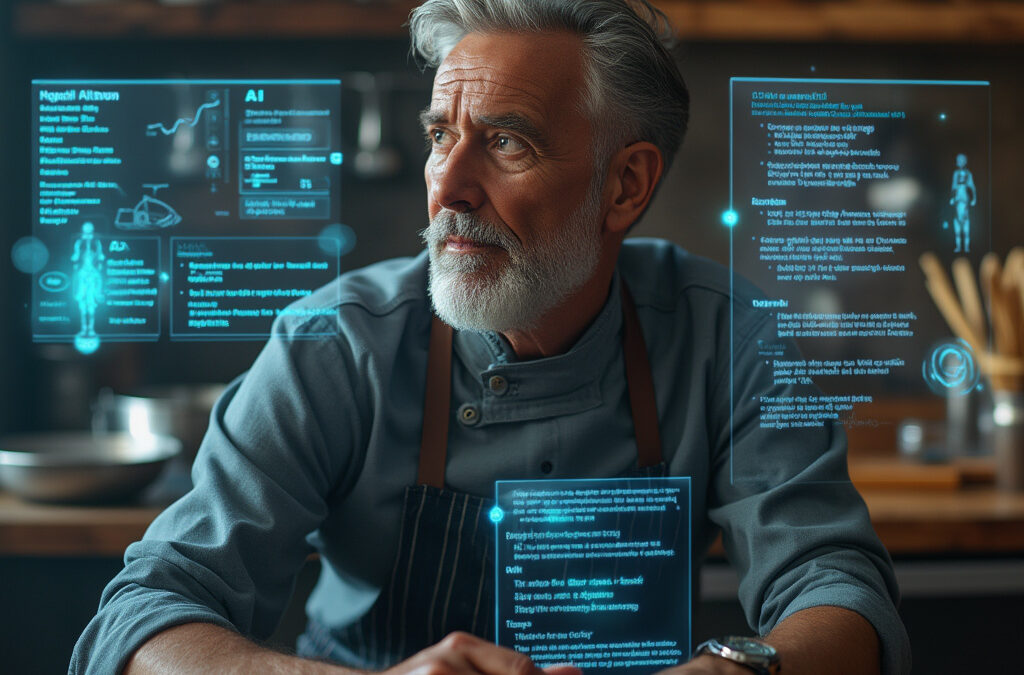
In a fascinating development at the intersection of artificial intelligence and business continuity, companies are beginning to explore the creation of digital replicas of their founders. This emerging trend, sometimes called “generative ghosts” or “digital twins,” represents a new frontier in how businesses might preserve their founding vision and expertise.
Le Pain Quotidien’s Digital Founder
Le Pain Quotidien, the popular bistro chain, made headlines last year when they announced Alain.AI, an AI-powered recreation of the company’s founder, Alain Coumont. Although Coumont is still alive, the company has created this digital replica to capture his creative vision and expertise.
Alain.AI assists LPQ employees by:
- Developing new recipes
- Creating menus
- Integrating new culinary trends
This AI version of Coumont represents what could become part of his lasting legacy, ensuring his culinary philosophy continues to guide the company even after he’s no longer actively involved.
The Science Behind “Generative Ghosts”
Researchers from Google DeepMind and the University of Colorado Boulder have been exploring this concept in a speculative paper titled “Generative Ghosts: Anticipating Benefits and Risks of AI Afterlives.” Set to be presented at the Association for Computing Machinery’s 2025 conference on Human Factors in Computing Systems, the paper examines how recent advancements in generative and agentic AI have enabled the creation of custom AI agents that can interact with loved ones or the broader world after someone’s death.
These digital replicas are more than simple recordings or pre-programmed responses. They leverage advanced AI to mimic the thinking patterns, creative approaches, and even personality traits of the person they’re modeled after.
Growing Popularity and Implementation
The researchers note that these “generative ghosts” have been gaining popularity, particularly in China. One notable service comes from South Korean startup DeepBrain AI, which offers a process where individuals are interviewed on camera to train a digital double.
This double can then replicate their:
- Voice
- Physical appearance
- Speech patterns
- Decision-making processes
For business founders, this technology presents an intriguing possibility to preserve their vision, expertise, and decision-making approaches beyond their active involvement or even lifetime.
Considering the Implications
While the article doesn’t explicitly detail all the potential benefits and concerns around this technology, it raises important questions for business owners. Should founders consider creating these digital versions of themselves? What are the ethical implications? How might these AI versions affect company culture, decision-making, and innovation in the long term?
As small business owners contemplate their legacy, this emerging technology offers a new dimension to consider—the possibility of continuing to guide their companies through AI, even when they can no longer do so in person.
Growing Adoption Across Industries
While Le Pain Quotidien’s Alain.AI is one of the most prominent examples, other companies are beginning to explore similar initiatives. A recent survey by McKinsey & Company found that nearly 20% of tech-based startups are considering the integration of generative ghosts as part of their long-term strategic planning.
In China, the adoption rate is even higher, with several major corporations already implementing AI versions of their founders. For instance, Shanghai-based tech firm, XinHua Digital, has created a digital twin of its late founder, Zhang Wei, to assist in strategic decision-making and maintain company culture.
Case Study: DeepBrain AI’s Digital Legacy Service
DeepBrain AI, a South Korean startup, has emerged as a leader in this space, offering a comprehensive service to create digital replicas of individuals. Their process involves extensive interviews, behavioral analysis, and AI training to ensure the digital twin closely mirrors the original person’s traits and decision-making processes.
One notable example is the digital replica of the late founder of a prominent fashion brand in Milan. The AI version, named “Marco.AI,” has been used to design new clothing lines, provide creative input, and even interact with customers during virtual fashion shows. The brand reports that Marco.AI has helped maintain the company’s creative identity and customer loyalty.
Ethical and Practical Considerations
As the use of generative ghosts becomes more widespread, ethical concerns are coming to the forefront. Issues such as consent, data privacy, and the potential for misuse are being debated by experts. For instance, there are questions about whether a digital replica should be allowed to make binding decisions or if it should be limited to advisory roles.
Additionally, there are practical challenges, such as ensuring the accuracy and consistency of the AI’s outputs. Misalignment between the digital twin’s decisions and the company’s current goals could lead to conflicts and operational issues.
The Broader Implications for Business
Beyond preserving a founder’s legacy, generative ghosts could fundamentally change how businesses operate. For example, a digital twin could serve as a mentor for new employees, helping them understand the company’s values and history. It could also act as a knowledge repository, providing insights and expertise even after the founder is no longer involved.
However, there are also concerns about the emotional impact on employees. Interacting with a digital version of a deceased or retired founder could lead to mixed feelings, ranging from comfort and continuity to discomfort or even resentment.
As the technology continues to evolve, businesses will need to carefully weigh the benefits and risks of implementing generative ghosts. While the potential to preserve a founder’s vision is undeniable, the long-term consequences for company culture, decision-making, and employee morale remain to be seen.
Conclusion
The rise of digital immortality through AI versions of company founders represents a transformative shift in business continuity and legacy preservation. From Le Pain Quotidien’s Alain.AI to DeepBrain AI’s digital twins, companies are embracing this technology to maintain their founding vision and expertise. While the benefits are undeniable, ethical, practical, and emotional considerations must be carefully navigated. As this technology evolves, businesses will need to balance innovation with responsibility, ensuring that generative ghosts enhance rather than hinder company culture and decision-making. The future of digital immortality in business is promising, but it requires thoughtful implementation to maximize its potential.
Frequently Asked Questions
What is a “generative ghost”?
A generative ghost, or digital twin, is an AI-powered replica of an individual that mimics their personality, decision-making processes, and creative approaches. It is created using advanced AI technologies and can interact with others as if it were the real person.
How are generative ghosts created?
Generative ghosts are created through extensive interviews, behavioral analysis, and AI training. Companies like DeepBrain AI use this data to train a digital twin that closely mirrors the original person’s traits and decision-making processes.
What are the benefits of using generative ghosts in business?
The benefits include preserving a founder’s vision, maintaining company culture, providing creative input, and serving as a knowledge repository. They can also act as mentors for new employees and assist in strategic decision-making.
What are the risks of using generative ghosts?
Risks include ethical concerns such as consent and data privacy, potential misuse of the technology, and practical challenges like ensuring the accuracy and consistency of the AI’s outputs. Emotional impacts on employees must also be considered.
Can generative ghosts make binding decisions for a company?
Currently, generative ghosts are primarily used in advisory roles. There is ongoing debate about whether they should be allowed to make binding decisions, with most experts recommending they be limited to non-binding advisory roles.
What is the future of generative ghosts in business?
The future is promising, with potential applications in mentoring, knowledge preservation, and maintaining a founder’s legacy. However, businesses must carefully weigh the benefits and risks to ensure successful implementation.